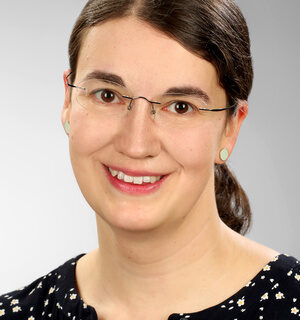
Dr. Kim Boonekamp

Dr. Kim Boonekamp is a postdoctoral researcher in the Boutros Lab at the German Cancer Research Center (DKFZ) and BioQuant Heidelberg. Her work focuses on functional genomics and molecular human genetics, with a particular interest in how genetic and pharmacological perturbations shape cellular phenotypes in cancer. She works with advanced model systems such as patient-derived …

Dr. Maria Zimmermann-Kogadeeva

Dr. Maria Zimmermann‑Kogadeeva is a leading computational biologist and group leader in the Genome Biology Unit at EMBL in Heidelberg. After earning her PhD in 2016 from ETH Zürich’s Institute of Molecular Systems Biology, she completed postdoctoral studies at Yale—where she co-led a project revealing that gut microbes metabolize hundreds of drugs —and at EMBL, supported …

Dr. Michael Zimmermann

Dr. Michael Zimmermann leads the Zimmermann Group at EMBL Heidelberg, where he investigates how gut microbiota metabolize drugs, nutrients, and environmental compounds—and how this shapes host physiology. Since August 2019, he has headed this research unit, supported by a prestigious ERC Starting Grant. He received his PhD in 2015 from ETH Zurich (metabolomics and systems …

Dr. Georg Zeller

Prof. Georg Zeller is a leading computational microbiome scientist heading a research group (https://zellerlab.org/) at the Leiden University Center for Infectious Diseases (LUCID) that is part of the Leiden University Medical Center. He is broadly interested in microbe-host interactions, in particular in the human gut, and studies their impact on human health and disease. He …

Prof. Dr. Judith Zaugg

Dr. Zaugg leads a cross-disciplinary research group at EMBL since 2014, exploring how genetics, epigenetics, and environmental signals integrate to shape gene regulatory programs underlying complex human traits and diseases. She earned her PhD in computational functional genomics from EMBL-EBI and Cambridge University (2011), followed by a postdoctoral fellowship at Stanford University (2012–2014), where she …

Prof. Dr. Simone Schürle

Prof. Dr. Simone Schürle‑Finke, born in Ulm, Germany in 1985, is a pioneering biomedical engineer and associate professor at ETH Zürich’s Department of Health Sciences and Technology, where she leads the Responsive Biomedical Systems Laboratory SNSF Datenportal+9Wikipedia+9Wikipedia+9. After earning her diploma in industrial engineering and management at KIT with research experiences in New Zealand and Japan, …

Dr. Antonia Schubert

Dr. med. Antonia Schubert is a clinician scientist based in Heidelberg, where she leads a junior research group at the National Center for Tumor Diseases (NCT) and German Cancer Research Center (DKFZ). As a specialist physician in Internal Medicine at the Department of Medical Oncology at Heidelberg University Hospital, her work spans both clinical practice and …

Dr. Johanna Schott

Dr. Johanna Daniela Schott is a research professor in Biochemistry at Heidelberg University’s Mannheim Institute for Innate Immunoscience (MI³) and a project group leader within Georg Stoecklin’s lab at the Medical Faculty Mannheim. Her work investigates the rapid dynamics of gene expression in innate immune cells, focusing on mRNA processing, translation, and decay during inflammatory …

Dr. Maria Paula Roberti

Dr. Maria Paula Roberti is an immunologist and translational researcher based in Heidelberg, Germany. She earned her PhD in Immunology at the University of Buenos Aires, where she focused on anti-tumor innate immunity. Currently, she leads the Translational Research in Immuno‑Oncology and Microbiome (TRIM) sub‑group at the German Cancer Research Center (DKFZ) and the National Center …

Dr. Conrad Rauber

Dr. Dr. med. Conrad Rauber is a clinician-scientist and senior consultant in the Department of Gastroenterology, Hepatology, Infectious Diseases, and Toxicology at University Hospital Heidelberg. Since early 2024, he has also served as group leader for the “Applied Microbiome Therapy in Gastroenterology” research program, where he and his team investigate how gut microbiota influence systemic immunity and outcomes in …