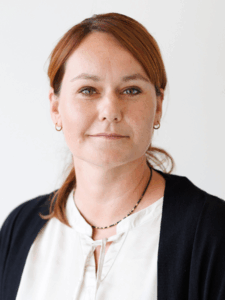
Dr. Anne Dropmann is a postdoctoral researcher specializing in molecular hepatology, with a dedicated focus on the pathogenesis and treatment of cholestatic and biliary liver diseases, including primary sclerosing cholangitis (PSC), primary biliary cholangitis (PBC), and cholangiocarcinoma (CCA). She is affiliated with the Department of Medicine II at the University Medical Center Mannheim, part of the Medical Faculty Mannheim of Heidelberg University. Within the Molecular Hepatology Group led by Prof. Dr. Steven Dooley and the clinical framework of Prof. Dr. Matthias Ebert, her research bridges mechanistic insights into biliary injury and fibrosis with translational approaches aimed at improving diagnostics and therapy.
Dr. Dropmann holds a Master of Science in Translational Medical Research and earned her doctoral degree (Dr. rer. nat.) in experimental hepatology. Her scientific work centers on the molecular pathways that drive cholangiocyte dysfunction, biliary inflammation, and fibrogenesis—emphasizing the transforming growth factor-beta (TGF-β) signaling axis and its role in PSC, PBC, and biliary-derived CCA. She has substantially advanced the understanding of isoform-specific TGF-β activity, particularly the pathogenic contribution of TGF-β2 in cholangiopathies.
Her most influential work, published in Gut, demonstrated that targeted silencing of TGF-β2 using antisense oligonucleotides markedly attenuates inflammation and fibrosis in murine models of biliary-derived liver disease. This study identified TGF-β2 as a promising therapeutic target for cholestatic disorders and was recognized at national and international research symposia, including the “Spitzenleistungen” and ENS-CCA in 2022. Additional results presented at the European Association for the Study of the Liver (EASL) detailed cell-type-specific TGF-β2 signaling in cholangiocytes and hepatocytes, using advanced in vitro systems, precision-cut liver slices, and the MDR2-KO mouse model of PSC-like cholangiopathy.
DFG funded, Dr. Dropmann leads her own junior group investigating molecular drivers of biliary injury, cholangiocarcinogenesis, and fibrosis. Her work integrates functional genomics, ex vivo liver models, and therapeutic targeting approaches to translate mechanistic discoveries into clinically meaningful strategies for PSC, PBC, and CCA.
Her methodological expertise spans a broad spectrum of modern molecular and translational hepatology techniques, including advanced imaging and spatial transcriptomics, high-throughput sequencing and multi-omics approaches, quantitative gene and protein expression analyses, and state-of-the-art ex vivo and 3D liver culture models. She contributes actively to the development of patient-tailored therapeutic concepts and non-invasive biomarkers for cholestatic liver diseases and early CCA detection.
She collaborates closely with interdisciplinary teams at the German Cancer Research Center (DKFZ), the Hector Institute for Translational Oncology, and international partners specializing in liver immunopathology and cholangiocarcinogenesis. Her research is embedded in DFG-supported initiatives and Clinician Scientist programs within the Mannheim Medical Campus, reinforcing the translational continuum from molecular mechanisms to clinical application.
Beyond her research activities, Dr. Dropmann teaches in translational medicine and mentors MSc and MD students engaged in preclinical research on cholestatic and biliary liver diseases.
Contact
Dr. Anne Dropmann, MSc
Postdoctoral Researcher, Department of Medicine II – Molecular Hepatology
Medical Faculty Mannheim, Heidelberg University
University Medical Center Mannheim
email: Anne.Dropmann@medma.uni-heidelberg.de